
Stay Cancer-Free This Holiday Season: Blood Sugar Tips for Healthy Celebrations
The holidays are a whirlwind of activity, and with all the sweets and festive foods around, it can feel nearly impossible to stick to your health goals—especially when you’re focused on staying cancer-free. Temptation is everywhere, and finding balance during this busy season can be tough. In light of the season, I’ll break down the connection between blood sugar and cancer, and show you how you can still enjoy some of your favorite holiday treats while making choices that support your health. The goal for reducing cancer recurrence risk is to create an environment where cancer just doesn’t want to thrive, even during the holidays. Cancer isn't going to wait around, so let's get started on some lifestyle changes and habits that can support you no matter how busy or tempted you are. Let's do this!
What is normal blood sugar?
Blood sugar plays a critical role in your overall health, acting as the body’s primary source of energy. When you eat, carbohydrates break down into glucose, which enters your bloodstream and fuels everything from your brain to your muscles. But maintaining the right balance is key. Healthy blood sugar levels allow your body to function optimally, keeping energy steady, mood balanced, and preventing long-term health complications. Generally, a normal fasting blood sugar level ranges from 70 to 99 mg/dL, while levels after eating should stay below 140 mg/dL.
Consistently elevated blood sugar can lead to insulin resistance, weight gain, and chronic diseases like diabetes and, potentially, cancer. That’s why keeping your blood sugar in check is so essential to protecting your long-term health.
How are blood sugar and cancer linked?
Emerging research shows a concerning connection between elevated blood sugar levels and an increased risk of cancer development. High blood sugar can lead to insulin resistance, where the body stops responding properly to insulin, a hormone that regulates blood sugar. When this happens, the pancreas produces more insulin to compensate, and higher levels of insulin and insulin-like growth factors (IGFs) can promote cell growth—including the growth of cancer cells. Elevated insulin and IGF levels have been linked to an increased risk of certain cancers, such as breast, colorectal, and pancreatic cancers. These hormones can act like fuel for cancer cells, helping them grow and spread more rapidly.
But the connection doesn’t stop there. Chronically high blood sugar also triggers inflammation in the body, which creates a breeding ground for cancer. Inflammation can damage DNA, leading to mutations that may initiate the development of cancer. Additionally, high blood sugar levels are often associated with obesity, which is another risk factor. Excess body fat can produce hormones like estrogen, which is linked to an increased risk of cancers such as breast and endometrial cancer. This combination of insulin resistance, inflammation, and hormonal imbalance makes managing blood sugar levels crucial not only for preventing diabetes but also for reducing the risk of cancer.
How to enjoy sweets and balance blood sugar?
Here are three simple ways to maintain steady blood sugar levels during your holiday feast, without missing out on your favorite dishes.
1) Eat Your Veggies First: Starting with vegetables is a smart strategy, as they contain fiber, which helps slow the digestion and absorption of sugars and carbohydrates found in high glycemic index foods like pasta, rice, and bread. Enjoying a salad or veggie dip as an appetizer can help curb sugar spikes before the heavier parts of the meal. When it’s time to dig into the main course, prioritize your vegetables like carrots, broccoli, green beans, or Brussels sprouts to keep your blood sugar stable.
2) Save Your Sweets for Last: Indulging in dessert after a hearty serving of protein and veggies can help slow down sugar absorption. Think of your meal like a hallway full of bulky bodybuilders—those protein and fiber molecules work to block the hallway, slowing the passage of glucose molecules. The slower the absorption, the gentler the glucose spike.
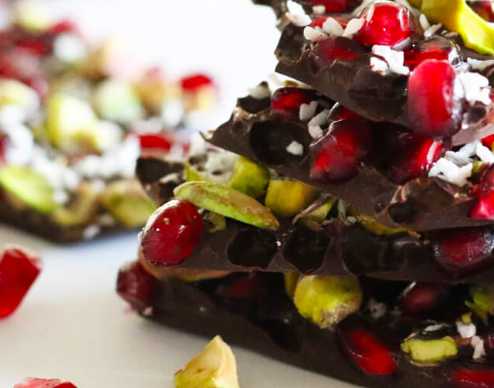
3) Find healthier alternatives to satisfy your sweet tooth. I've included a pistachio and pomegranate chocolate bark recipe! Delicious and includes healthy fats and protein, as well as dark chocolate.
Health benefits of dark chocolate
Dark chocolate, especially varieties with high cocoa content (70% or more), offers several health benefits, making it a better alternative to milk chocolate, particularly when it comes to reducing sugar intake. For cancer prevention, dark chocolate contains antioxidants like flavonoids, which help reduce inflammation and protect cells from damage caused by free radicals. These antioxidants can potentially lower the risk of developing cancer by minimizing oxidative stress, which is linked to cancer initiation and progression. Additionally, studies suggest that dark chocolate may improve insulin sensitivity, which can be beneficial for maintaining healthy blood sugar levels and reducing cancer risk associated with high insulin and IGF-1 levels.
Beyond cancer, dark chocolate also supports heart health by lowering blood pressure, improving cholesterol levels, and enhancing blood flow. The lower sugar content helps reduce spikes in blood sugar, further reducing the risk of metabolic conditions like diabetes. For those managing their health post-cancer, dark chocolate can be a satisfying and healthier option when cravings strike, helping to enjoy treats without compromising health goals.
Health benefits of pomegranate seeds
Pomegranates are packed with powerful antioxidants, which have shown promise in reducing cancer risk. The fruit is particularly rich in polyphenols, including ellagic acid, which has been found to inhibit the growth of cancer cells and prevent their spread. Research suggests that pomegranate extracts may slow the progression of cancers such as breast, prostate, and colon cancer by inducing apoptosis (cell death) in cancerous cells while sparing healthy ones. Additionally, pomegranates have anti-inflammatory properties, which can help reduce chronic inflammation—a known risk factor for cancer development. By incorporating pomegranates into your diet, you may help support your body’s natural defense systems in preventing or slowing cancer growth.
POMEGRANATE DARK CHOCOLATE BARK
Ingredients:
10 1/2 ozs Dark Chocolate (at least 70% cacao)
1 1/2 cups Pomegranate Seeds
3/4 cup Pistachios (shelled and chopped)
1/3 cup Unsweetened Coconut Flakes
Directions:
Line a large baking sheet with parchment paper. Prepare the pomegranate seeds, pistachios and coconut flakes in bowls.
Fill one large pot with water and place a smaller pot inside. Bring to a boil then reduce to lowest heat. Ensure no water is able to escape into the smaller pot! Break the dark chocolate into pieces and add it to the smaller pot. Stir continuously just until melted. Remove from stove top immediately once melted. Do not overheat as this will cause the chocolate to get lumpy.
Pour the melted chocolate onto the baking sheet. Use a spatula to smooth the chocolate into an even layer, about 1/4 inch thick. Quickly sprinkle the pomegranate seeds evenly over top, followed by the pistachios and finally the coconut. Transfer to the fridge or freezer and let chill for 20 to 30 minutes, or until firm.
Once the chocolate is firm, break or cut it into pieces. Enjoy!
As you step into the holiday season, remember that you don’t have to compromise your health to enjoy all the festivities. By making conscious food choices and opting for healthier alternatives, you can indulge in your favorite treats while keeping your blood sugar in check.
Fill your plate with vibrant vegetables, enjoy desserts mindfully, and consider delicious options like dark chocolate and pomegranates, which not only satisfy your sweet tooth but also offer impressive health benefits. This season is about joy and connection, and with these simple strategies, you can create a nurturing environment in your body—one where cancer is less likely to thrive. Embrace the holiday spirit with confidence, knowing that you can celebrate while staying true to your health goals. Cheers to a healthy, happy holiday season!
References:
Allen, N.E., et al. (2005). A prospective study of serum insulin-like growth factor-I (IGF-I), IGF-II, IGF-binding protein-3 and breast cancer risk. British Journal of Cancer, 92, 1283-1287. https://doi.org/10.1038/sj.bjc.6602471​:contentReference[oaicite:0]{index=0}
Frystyk, J. (2010). Free insulin-like growth factors – measurements and relationships to growth hormone secretion and glucose homeostasis. Growth Hormone & IGF Research, 20(1), 57-62. https://doi.org/10.1016/j.ghir.2009.08.007​:contentReference[oaicite:1]{index=1}
Morris, K.T., & Padula, M.W. (2020). Impact of IGF-1 on cancer biology: A comprehensive review. Journal of Hematology & Oncology, 13, Article 28. https://doi.org/10.1186/s13045-020-00904-3​:contentReference[oaicite:2]{index=2}


